The main risk factors affecting the development of the carbon black industry are the significant fluctuations in raw material prices, which pose certain difficulties for carbon black enterprises to control costs and improve profitability. On the one hand, the significant increase in raw material prices has put forward higher requirements for the capital turnover ability of carbon black enterprises; On the other hand, although carbon black enterprises can adjust the sales price of carbon black according to changes in raw material prices, the timing and magnitude of price increases are influenced by market supply and demand. The timeliness and adequacy of carbon black sales price adjustments are important factors affecting the profitability of carbon black enterprises. And the prices of raw materials are closely related to the global economic situation. In 2013, due to the still severe global economic situation, the growth of the carbon black industry was not significant. According to the "Analysis Report on Market Outlook and Investment Strategy Planning of China's Carbon Black Industry from 2014 to 2018" by Forward Industry Research Institute, global carbon black production increased slightly to 11.54 million tons in 2013. However, most of the new production in 2013 came from China, and the estimated growth rate of carbon black production in China is about 6.3%. If China is not included, the total global carbon black production in 2013 actually decreased slightly compared to the previous year. If calculated by global regions, the Asia Pacific region accounts for about 60% of the world's total production; North America accounts for about 14%; Russia and Eastern European countries account for about 9%; Seven Western European countries account for approximately 7%; Central and South America account for about 6%; Africa and the Middle East account for approximately 4%. From a national ranking perspective, the top 10 carbon black producing countries in the world are ranked as follows: China, the United States, Russia, India, Japan, South Korea, Brazil, Thailand, Germany, and Italy.
After 60 years of development, China's carbon black industry has gone through ups and downs, from small to large and from weak to strong. Currently, China's carbon black production capacity and output have jumped to the top in the world. Since 2006, China has replaced the United States as the world's largest producer of carbon black. In 2002, China's carbon black production was only slightly over half of that of the United States. Compared to the decline in carbon black production in the United States, China has maintained an average annual growth rate of 21% over the past four years. Due to the adjustment of the tire industry, domestic demand in the United States has weakened, resulting in a decrease in carbon black production. At the same time, the Marshall plant of Columbia Chemical Company, the Waverly plant of Cabot Corporation, and the Belpre plant of Degussa Corporation have all reduced their carbon black production. On the contrary, China's carbon black industry continues to expand and accelerate its modernization process, with most of the growth aimed at meeting the rapidly growing demand for domestic tire production. In 2009, the carbon black industry sought development during the crisis and achieved remarkable results in both production and sales of carbon black, laying the foundation for China's position as the largest producer of carbon black.
With the gradual recovery of the global economy and the continuous growth of demand in the domestic carbon black market, the Forward Industry Research Institute's carbon black industry report analysis believes that China's carbon black industry will face good development prospects. It is expected that the domestic carbon black sales volume will reach 28.216 billion yuan in 2018.

 AboutThe registered capital 10 million RMB and ever belong to Shandong Kangrui Group,with the total assets of 420 million RMB and covering an area of more than 200000㎡, more than 380 existing employees.
 ProductWe are a large enterprise specialized in tyre materials production, sell and international business (export and import).
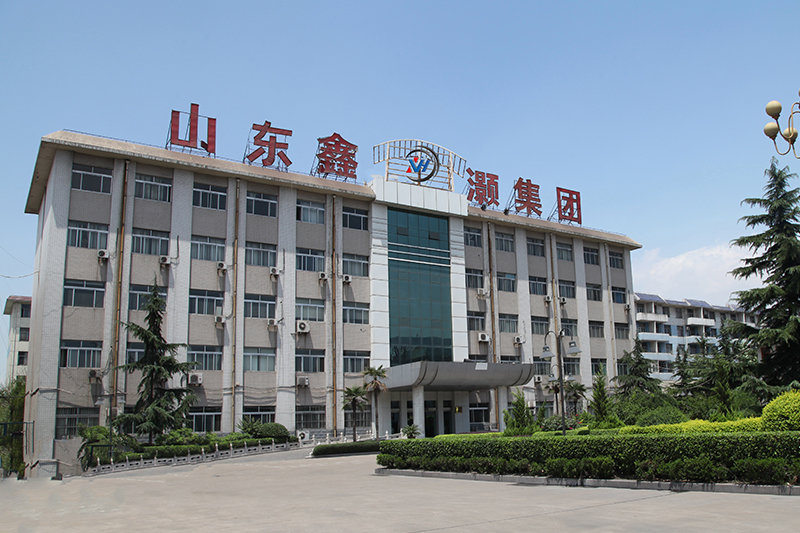 ShowShandong Kangrui Group,with the total assets of 420 million RMB and covering an area of more than 200000㎡, more than 380 existing employees.
 NewsUnderstand company dynamics and obtain the latest industry news.
 ServiceNew 'membrane' method for smart tires, Xinhao provides zero distance service!

